

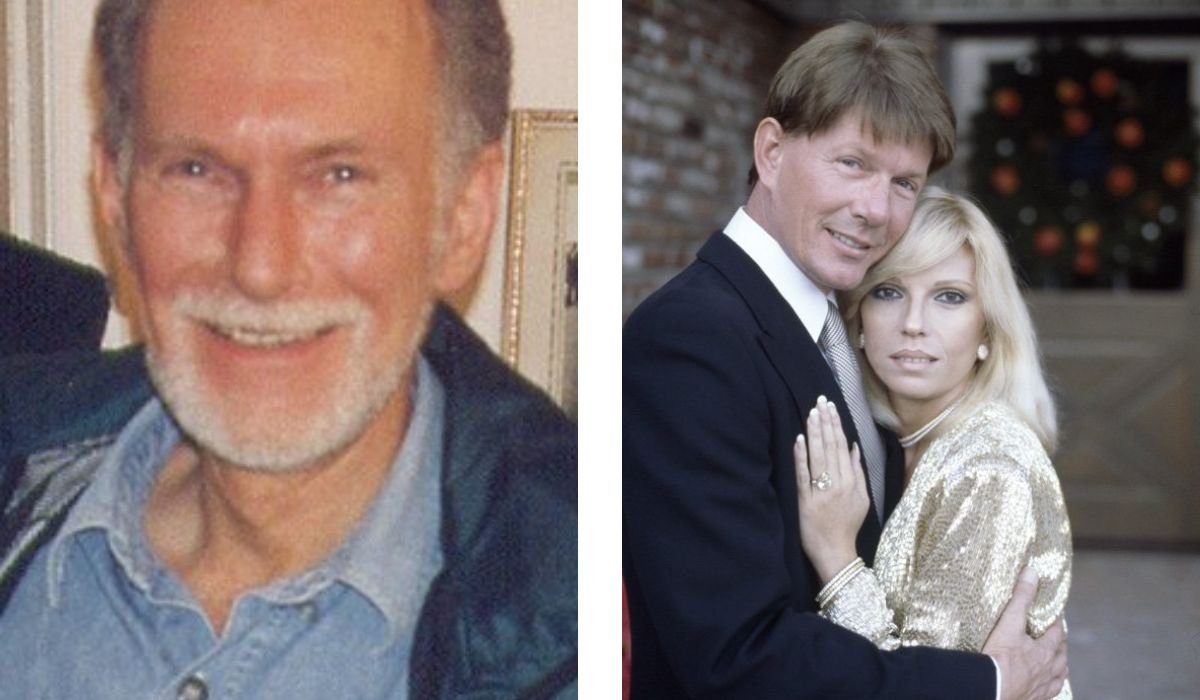
Hugh Lambert was an American dancer, choreographer, producer, and television entertainment professional whose career connected him with Broadway, television specials, film, and major performers. Born in Metuchen, New Jersey, in 1930, he developed a professional reputation behind the scenes rather than as a traditional celebrity. His work included choreography and production, while his marriage to singer Nancy Sinatra brought him into one of the most recognizable entertainment families of the twentieth century. His professional credits included projects associated with Finders Keepers, Rowan & Martin’s Laugh-In, and Ed Sullivan Presents Movin’ with Nancy on Stage. He died in 1985 at age 55 after battling cancer.
| Quick Bio | Details |
|---|---|
| Full Name | Robert Edward Lambert |
| Known As | Hugh Lambert, Hughie |
| Birth Date | March 31, 1930 |
| Birthplace | Metuchen, New Jersey, United States |
| Profession | Dancer, Choreographer, Producer |
| Known For | Television, choreography, entertainment production |
| Spouse | Nancy Sinatra |
| Previous Marriage | Marjorie Joyce Griffith |
| Children | A.J. Lambert and children from previous marriage, according to available biographies |
| Death Date | August 18, 1985 |
| Age at Death | 55 |
| Cause of Death | Cancer |
| Place of Death | Los Angeles, California |
| Father-in-Law | Frank Sinatra |
| Notable Association | Entertainment and television production |
| Legacy | Remembered for choreography, production, and entertainment work |
Early Life and Birth
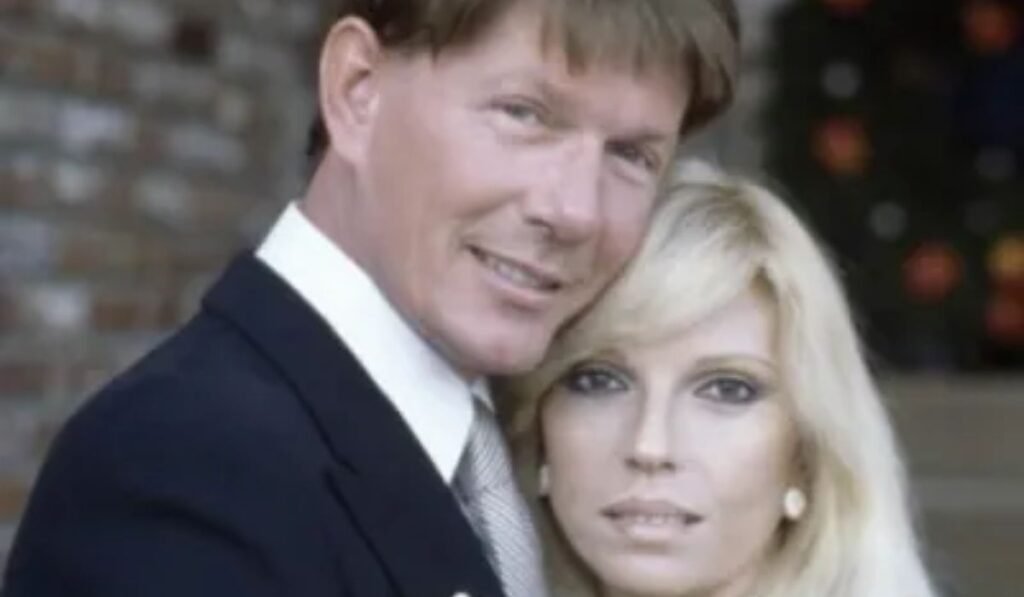
Hugh Lambert was born on March 31, 1930, in Metuchen, New Jersey. His birth name was reportedly Robert Edward Lambert, although he became professionally known by the name Hugh Lambert and was also called Hughie. Details about his childhood and early education are relatively limited in widely available public sources. Still, his later career demonstrates that he developed skills suited to the demanding entertainment industry. Rather than becoming famous primarily as a performer, he built his professional identity through choreography, production, and creative direction.
A Career Behind the Scenes
One of the most interesting aspects of his professional life was his ability to work behind the scenes. In entertainment, audiences often remember singers, actors, and television hosts while overlooking the creative professionals who shape performances. His career illustrates how choreographers and producers can influence the final product without always receiving the same public attention. His credits show involvement in musical numbers, choreography, and television production. These responsibilities required organization, artistic judgment, timing, and an understanding of how performers connect with audiences.
Career as a Choreographer
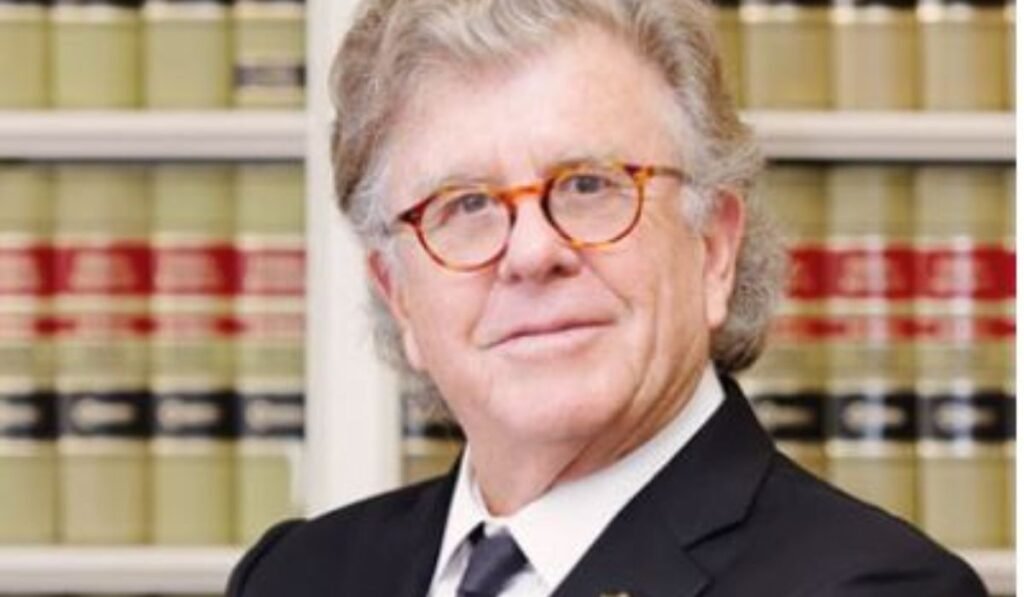
Choreography was a significant part of his professional identity. According to available entertainment records, he worked on several television productions and was associated with choreography across multiple episodes of Ed Sullivan Presents Movin’ with Nancy on Stage. Choreographers play an important role in turning music into visual entertainment, coordinating movement, spacing, rhythm, and stage presentation. His work therefore belonged to an important creative tradition in American television, where musical performances were carefully staged for viewers at home.
Broadway and Live Entertainment
His career also extended into live performance. A report published by the Los Angeles Times following his death described him as a dancer who had appeared in several Broadway musicals. This detail adds another dimension to his professional background because Broadway demanded a different combination of discipline and performance skills from television production. Live theater leaves little room for mistakes, making timing and rehearsal especially important. His experience in live entertainment likely contributed to the practical knowledge he later applied to choreography, cabaret productions, and television specials.
Work in Television
Television became an important part of his career. His professional credits connect him with programs and specials from the 1960s and 1970s, a period when variety television was a major part of American popular culture. Programs relied heavily on music, comedy, dance, and carefully arranged performances. His skills as a choreographer and producer were well suited to that environment. Rather than being limited to one type of production, his work appears to have crossed different areas of television entertainment, giving him experience in both creative planning and performance presentation.
Connection With Finders Keepers
Among the projects associated with his professional record is Finders Keepers, a 1966 film. Available credits identify his involvement with the creation of musical numbers. This type of contribution demonstrates his role in shaping the entertainment value of a production rather than necessarily appearing as its central star. Musical sequences often require detailed coordination between performers, music, movement, camera work, and editing. His contribution to such projects reflects the collaborative nature of entertainment production during the era.
Association With Laugh-In
His name is also connected with Rowan & Martin’s Laugh-In, the popular television comedy program that became a cultural phenomenon in the late 1960s. Although his role should not be confused with that of the show’s principal performers, the association reflects his broader involvement in television entertainment. Variety programs of that era frequently combined comedy sketches with music and visual performance. Professionals working behind the scenes helped create the energetic rhythm that audiences came to expect.
Work on Nancy Sinatra Projects
His professional and personal lives became closely connected through his marriage to Nancy Sinatra. One notable project associated with his production career was Ed Sullivan Presents Movin’ with Nancy on Stage. His involvement in entertainment projects featuring or connected with his wife illustrates the overlapping nature of his professional relationships. However, his work should not be reduced solely to his marriage. His career records show that he had his own experience in choreography, production, and entertainment before and during his years with Nancy Sinatra.
Marriage to Nancy Sinatra
His marriage to Nancy Sinatra attracted public attention because she was already an established singer and the daughter of legendary entertainer Frank Sinatra. The couple married in 1970 and remained together until his death in 1985. Their relationship lasted approximately fifteen years. While Nancy Sinatra was widely recognized for her music career, he maintained a professional identity connected to choreography and production. Their partnership therefore brought together two people with strong links to the entertainment world, although they worked in different areas of the industry.
Connection to the Sinatra Family
Through his marriage, he became part of the wider Sinatra family. His father-in-law was Frank Sinatra, one of the most influential singers and entertainers of the twentieth century. This connection naturally increased public interest in his personal life. He was also related by marriage to other members of the Sinatra family, including Frank Sinatra Jr. and Tina Sinatra. Nevertheless, his own professional career existed independently of the family name, with documented work in choreography and production.
Family and Children
Available biographical records identify A.J. Lambert as one of his children. Some sources also state that he had children from an earlier marriage to Marjorie Joyce Griffith. Because online biographical databases do not always agree on the exact number and names of his children, readers should be cautious when relying on unverified family lists. The most consistently documented information identifies A.J. Lambert as his daughter and notes that he had children from his previous marriage.
Life With a Famous Family
Being connected to a famous entertainment family can bring significant public attention, but it can also make it difficult for an individual’s own achievements to receive recognition. His story is an example of that dynamic. Many people discover his name because of Nancy Sinatra or Frank Sinatra, yet his professional record shows an independent career in choreography and production. Looking beyond his family connections provides a fuller understanding of the person and his contribution to American entertainment during the television and variety-show era.
Professional Creativity and Stagecraft
The work of a choreographer is often compared to conducting an orchestra, except the instruments are human movement, music, lighting, and space. His professional activities required an understanding of how these elements could work together. Whether working on a television special, musical sequence, or live production, choreography helped establish rhythm and visual structure. This behind-the-scenes creative work can strongly influence how an audience experiences entertainment, even when the choreographer’s name is not widely remembered by the public.
Entertainment During the 1960s
The 1960s were a transformative period for American entertainment. Television became increasingly influential, musical variety programs attracted large audiences, and popular culture changed rapidly. His career developed during this environment, giving him opportunities to work within an industry that valued spectacle and live performance. His association with productions from this period places his professional story within an important chapter of American television history. His work reflected an era when dance, music, comedy, and celebrity performances were frequently brought together in one program.
Entertainment During the 1970s
The 1970s brought further changes to television and popular entertainment. Variety programs remained important, while performers increasingly explored new formats and production styles. During this period, his work continued to connect with television and entertainment production. His marriage to Nancy Sinatra also placed him within a high-profile social and professional environment. Yet his career continued to be defined by creative work rather than simply by his family connections. His professional background shows how entertainment careers could evolve across multiple formats during this period.
Work With Frank Sinatra
His relationship with Frank Sinatra was both personal and professional. As Nancy Sinatra’s husband, he became Frank Sinatra’s son-in-law. Professionally, he was also involved in directing the television special Ol’ Blue Eyes Is Back, according to the Los Angeles Times. This project is particularly notable because it demonstrates that their connection extended beyond family ties into professional collaboration. Working with an internationally recognized entertainer would have required significant production experience and an understanding of television performance.
The 1981 Inaugural Gala
Another notable achievement was his involvement with the entertainment segment of President Ronald Reagan’s 1981 inaugural gala. The Los Angeles Times reported that he directed the entertainment segment. Such an assignment represented a significant professional opportunity because presidential inaugural celebrations brought together prominent performers and major public attention. His involvement demonstrates the level of trust placed in his production and choreography skills during the later part of his career.
Cabaret and Special Productions
His professional experience also included directing and choreographing cabaret shows for major performers. Cabaret requires a different type of staging from traditional theater because the relationship between performer and audience is often more intimate. A successful production must balance music, movement, storytelling, and atmosphere. His work in this area demonstrates versatility and suggests that his creative abilities were not restricted to conventional television programs. His career therefore encompassed several branches of the entertainment industry.
A Career Away From the Spotlight
Although his name is recognizable today largely because of his relationship with Nancy Sinatra, his professional career provides another reason to remember him. Behind-the-scenes professionals rarely receive the same level of attention as performers, yet their contributions can determine whether a production succeeds. His experience in choreography and production demonstrates the importance of creative leadership. Like the architect of a building, he helped shape the structure of entertainment without necessarily being the person audiences came to see.
Final Years of His Life
The final years of his life were marked by continued professional activity and personal responsibilities. His career remained connected to television and live entertainment, while his family life continued alongside his work. In 1985, he died from cancer at the age of 55. His death brought an end to a career that had included Broadway, television, film-related work, cabaret, and major entertainment events. The memorial coverage following his death highlighted his professional accomplishments as a dancer and choreographer.
Death and Memorial
He died on August 18, 1985, in Los Angeles, California. Contemporary reporting described his death as occurring after cancer, and the Los Angeles Times reported that he was 55. A memorial service was held shortly afterward. His death was significant not only because of his connection to the Sinatra family but also because of his own work in entertainment. His professional achievements represented decades of involvement in an industry that changed dramatically during his lifetime.
His Professional Legacy
The legacy of his career can be understood through the productions and performers with whom he worked. His contributions included choreography, musical staging, television production, and live entertainment. While many details about his private life remain relatively obscure, his professional record provides a picture of a creative specialist who worked across several entertainment formats. His career also illustrates how important behind-the-scenes professionals were to the development of American television and stage entertainment during the twentieth century.
Why People Still Search for His Story
Interest in his life continues because it sits at the intersection of celebrity culture, entertainment history, and the Sinatra family legacy. People researching Nancy Sinatra often encounter his name, while those studying television choreography may discover his professional credits. This combination makes his biography interesting to different audiences. His story is a reminder that the entertainment industry contains many influential figures whose work may be less visible than that of the stars they helped support.
The Importance of Looking Beyond Celebrity Connections
It is easy to describe him simply as Nancy Sinatra’s husband, but that description leaves out much of his professional story. He was a dancer, choreographer, producer, and creative director with experience across television and live entertainment. His career included work associated with Broadway, musical numbers, television specials, and major public events. Looking beyond his marriage gives readers a more balanced perspective on his life and helps preserve the contributions of professionals who worked behind the camera and stage.
Hugh Lambert and Entertainment History
His career belongs to an era when television variety shows were among the most important forms of popular entertainment. Choreographers and producers were essential to creating the polished performances that audiences enjoyed. His work represents this collaborative tradition. From musical numbers to television specials and live events, his career reflects a period when entertainment depended heavily on coordinated creative teams. Studying his professional journey therefore offers a small but valuable window into how American entertainment was produced during the middle decades of the twentieth century.
Frequently Asked Questions
1. Who was Hugh Lambert?
- He was an American dancer, choreographer, and producer known for work in television and entertainment production.
2. When was Hugh Lambert born?
- He was born on March 31, 1930, in Metuchen, New Jersey, according to available biographical records.
3. Who was Hugh Lambert’s wife?
- He was married to singer Nancy Sinatra from 1970 until his death in 1985.
4. What was Hugh Lambert known for professionally?
- He was associated with choreography, musical staging, television production, Broadway performance, and entertainment specials.
5. When and how did Hugh Lambert die?
- He died on August 18, 1985, at age 55, after cancer, according to available records.
Conclusion
The story of Hugh Lambert is ultimately more than a biography of a man connected to a famous family. His professional journey reflects the changing landscape of American entertainment across several decades. From dancing and Broadway to choreography, television production, cabaret, and major public events, he contributed to productions that brought music and performance to large audiences. His marriage to Nancy Sinatra naturally made him part of the broader Sinatra story, but his own creative career deserves recognition as well. For readers seeking additional background, the related Wikipedia article on Hugh Lambert is about the Irish journalist with the same name, so it should not be confused with the American entertainment professional discussed in this article.
