


Charles Wayne Hendricks is best known through his connection to legendary musician Ray Charles and singer Margie Hendrix. Born into a family closely connected with American rhythm and blues, his story has attracted attention because he lived far away from the level of public attention associated with his parents. Reliable information about his personal life is limited, so this biography separates documented details from claims that remain uncertain. Available family-history records identify his birth date as October 1, 1959, while other biographical sources describe his New York upbringing and family background.
Quick Bio
| Detail | Information |
|---|---|
| Full Name | Charles Wayne Hendricks |
| Born | October 1, 1959 |
| Birthplace | Reported as New York City, United States |
| Father | Ray Charles |
| Mother | Margie Hendrix |
| Nationality | American |
| Known For | Being the son of Ray Charles and Margie Hendrix |
| Career | Not clearly documented publicly |
| Public Profile | Very private |
| Siblings | Part of Ray Charles’ large family |
| Death | Reported by some sources as 2013, but details require caution |
| Wikipedia | No dedicated biography located |
Who Was Charles Wayne Hendricks?
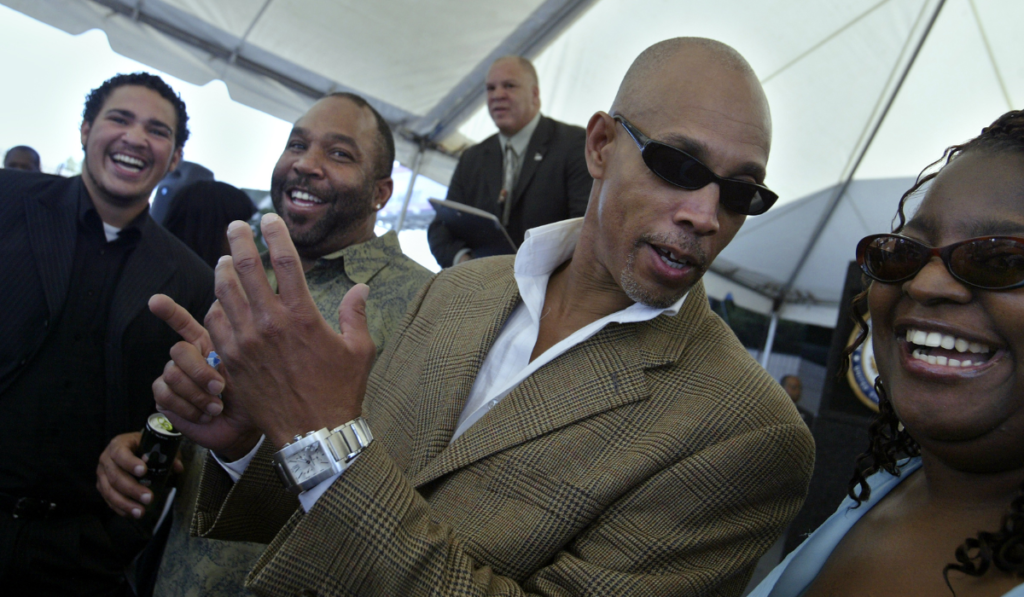
Charles Wayne Hendricks is primarily known as the son of Ray Charles, one of the most influential American singers, pianists, composers, and songwriters of the twentieth century. His mother, Margie Hendrix, was also a talented rhythm-and-blues and gospel singer associated with The Raelettes. Unlike his famous parents, Charles did not develop a major public career. His limited public presence has made his biography difficult to reconstruct. Much of the information available online concerns his parents, family connections, and childhood rather than his own professional achievements.
Birth and Early Background
Available biographical records generally give October 1, 1959, as his birth date. Some sources identify New York City, particularly Harlem, as his birthplace, although independently documented details about his birth remain limited. He arrived during a period when his father was becoming a major figure in American music. Growing up connected to Ray Charles and Margie Hendrix meant that music was an important part of his family environment. However, being born into a celebrated family did not necessarily mean Charles wanted to become a public personality himself.
His Father Ray Charles
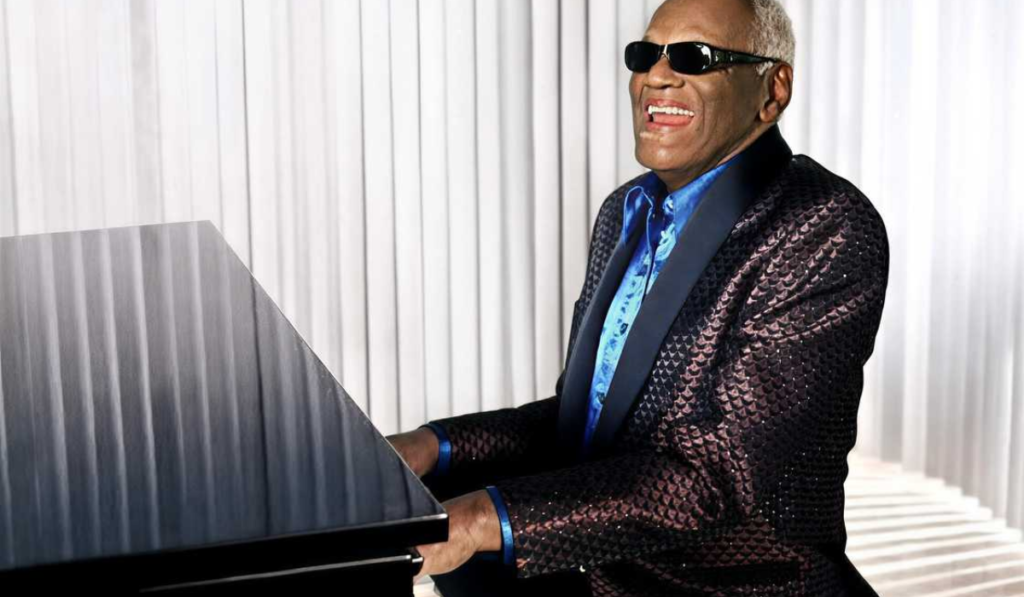
Ray Charles Robinson was an extraordinary American musician whose career crossed rhythm and blues, soul, gospel, jazz, blues, country, and popular music. He was born in 1930 and died in 2004, leaving behind a musical legacy that continues to influence performers. Ray Charles had twelve children, making his family life extensive and complex. His relationship with Margie Hendrix produced Charles, connecting him directly to two important figures in American music history.
His Mother Margie Hendrix
Margie Hendrix, sometimes recorded as Marjorie Hendricks, was an accomplished singer and a founding member of The Raelettes. She worked closely with Ray Charles and contributed vocals to recordings during the late 1950s and early 1960s. Her own career included work with The Cookies and later attempts at a solo career. Her life was marked by professional success as well as serious personal difficulties. She died in New York City in 1973 at the age of 38, when Charles was still a teenager.
Growing Up Around Music
The family environment surrounding Charles was unlike that experienced by most children. His father was already becoming internationally recognized, while his mother was an established singer connected to Ray Charles’s musical organization. Music therefore formed an important part of his family story from the beginning. Yet there is no strong evidence that Charles himself pursued a professional career as a singer, pianist, songwriter, or entertainer. His story illustrates an interesting contrast between inherited musical heritage and personal choice.
A Complicated Family Story
The relationship between Ray Charles and Margie Hendrix was complicated and occurred while Ray Charles was married to Della Bea Robinson. Historical accounts describe an on-and-off relationship between Ray and Margie that lasted for several years. Their relationship eventually became part of a much larger story involving music, family responsibilities, and personal struggles. For Charles, these circumstances formed the background of his childhood. Understanding that environment helps explain why his early biography cannot be separated completely from the complicated lives of his parents.
Losing His Mother Young
One of the most significant events in Charles’s early life was the death of his mother in 1973. Margie Hendrix was only 38 years old when she died. Charles was approximately fourteen at the time, according to the commonly reported birth and death dates. Losing a parent during adolescence can be a defining life event, and in his case it occurred after an already complicated family history. Public sources provide limited information about how Charles personally experienced this loss, so it is better not to speculate about his private emotions.
His Relationship With Ray Charles
Charles’s relationship with his famous father is another area where publicly verified information is relatively limited. Ray Charles acknowledged and supported his children, but his large family included children from different relationships. Because Charles avoided publicity, detailed accounts of their private relationship are uncommon. What can be established is that Charles remained connected to Ray Charles’s family history. His identity is therefore frequently discussed in biographies and articles about the legendary musician rather than through independent records documenting Charles’s own career.
His Siblings and Extended Family
Ray Charles had twelve children, meaning Charles belonged to a large family with numerous half-siblings. Public biographies identify several of Ray Charles’s children, including Ray Charles Robinson Jr., David, Robert, Evelyn, Sheila, Reatha, Alexandra, Robyn, Vincent, and Ryan, among others. Some family records vary in spelling and presentation. This large extended family became especially relevant when discussions of Ray Charles’s estate and musical catalog emerged after his death. Charles’s place within this family is one of the main reasons researchers continue to encounter his name.
Why His Life Remained Private
Unlike many celebrity children, Charles did not build a public identity around his famous father. There are no widely established records showing a significant entertainment career, extensive interviews, or regular public appearances. His low profile is one of the defining features of his story. In an age when celebrity families often receive constant media attention, choosing privacy can be significant. The limited information available should therefore be respected rather than filled with unsupported assumptions about his relationships, career, finances, or everyday life.
Did He Become a Musician?
There is no reliable evidence establishing Charles as a professional musician. His father was an internationally celebrated pianist and singer, while his mother was a respected vocalist, but children do not necessarily follow the careers of their parents. In this case, the available record suggests that Charles remained outside the entertainment spotlight. His absence from the music industry is itself an interesting part of the family story because it demonstrates that a famous musical heritage does not automatically determine someone’s professional direction.
The Influence of His Parents
Even without a documented music career, Charles’s family background connects him to an important period in American musical history. Ray Charles helped bring together gospel, blues, jazz, rhythm and blues, country, and pop influences. Margie Hendrix also possessed a distinctive vocal legacy through her work with The Raelettes and earlier groups. Their combined history placed Charles at the intersection of two important musical paths. His personal story therefore offers another perspective on how the families of major artists can exist alongside extraordinary public careers.
The Raelettes Connection
The Raelettes played an important role in Ray Charles’s musical career, and Margie Hendrix was among the women associated with the group. The backing singers contributed powerful vocal arrangements to Ray Charles’s recordings and performances. Margie’s involvement gave her an independent place in music history beyond simply being the mother of Charles. Through her, Charles’s family story is connected to the development of rhythm and blues and soul music during an important period in American popular culture.
Name Variations and Search Confusion
Online searches sometimes produce the spelling “Charles Wayne Hendrix” instead of “Charles Wayne Hendricks.” This can create confusion because Hendrix is also strongly associated with other musicians and historical figures. Family-history records use “Charles Wayne Hendricks,” while some secondary publications use alternative spellings. When researching the individual, readers should compare sources carefully rather than assuming every result refers to exactly the same person. This is particularly important because publicly available information about his life is already relatively sparse.
Career and Professional Life
A major limitation in researching Charles’s biography is the absence of a clearly documented public career. Some websites make claims about business activities or other professions, but these statements are not consistently supported by authoritative sources. For an SEO biography to remain trustworthy, it is better to acknowledge the gap than present speculation as fact. What stands out most clearly is that Charles was not publicly known for building a major career in entertainment like his father or mother.
Personal Life and Marriage
Various online sources claim that Charles was married and identify a possible spouse, but these details are not sufficiently established through strong independent documentation. Because marriage and family information concerns a private individual, unsupported claims should be treated cautiously. His decision to keep personal matters away from public attention means that readers may never find a complete account of his relationships. A responsible biography should therefore distinguish between reported information and verified facts instead of presenting rumors as established history.
Children and Family Life
Some secondary biographies claim that Charles had children, but the number and identities reported online vary. There is no broadly recognized authoritative family record that provides a complete public list. This uncertainty is another reason to avoid repeating specific claims without strong evidence. His family life appears to have remained private, and that privacy should be considered part of his story. The available evidence allows readers to understand his ancestry and parental connections more confidently than the details of his adult household.
Estate and Inheritance Questions
Because Charles was a child of Ray Charles, some online articles discuss possible inheritance or estate arrangements. However, claims about exact amounts attributed to him should not be treated as confirmed unless supported by legal documents or authoritative reporting. Ray Charles died in 2004, and his estate involved significant intellectual-property and family interests. The existence of an estate does not automatically prove a particular inheritance figure for every child. Readers researching this subject should distinguish documented legal information from estimates published by biography websites.
Reports About His Death
The question of whether and when Charles died is surrounded by conflicting online information. Several recent secondary sources report a death in 2013, while other websites provide no confirmed death information or suggest uncertainty. One source gives May 7, 2013, but the evidence available publicly is not strong enough to present every detail as definitive. Therefore, the safest approach is to say that some biographical sources report his death in 2013 while acknowledging that independently verified details remain limited.
Why Reliable Sources Matter
The biography of Charles demonstrates why source quality matters when researching lesser-known people connected to celebrities. Search results can repeat the same claim across many websites without establishing its original evidence. Repetition does not necessarily make information accurate. Family-history databases, established biographies, archival records, and credible publications should receive greater weight than anonymous articles. This approach is especially useful when researching birthplaces, spouses, children, occupations, inheritance, and death information that may not have been publicly documented.
His Place in Ray Charles History
Charles’s importance comes largely from his place within the personal history of Ray Charles. His father changed American music and became an enduring cultural figure. Ray Charles’s work influenced generations of singers, pianists, composers, and producers. Charles does not need to have achieved similar public fame for his family connection to remain historically interesting. His existence provides a human dimension to the story of an artist whose professional achievements are often discussed separately from his complicated personal life.
A Different Kind of Celebrity Story
Many celebrity biographies focus on awards, careers, wealth, appearances, and public achievements. Charles’s story is different because privacy is one of its central themes. Instead of asking why he did not become famous, it may be more useful to recognize that a private life can be meaningful in its own way. His biography reminds readers that famous families contain people with different personalities, ambitions, and choices. Fame may surround a family without becoming the defining feature of every individual member.
Legacy Through Family Heritage
The legacy connected with Charles comes primarily through his parents. Ray Charles remains one of America’s most influential musical figures, while Margie Hendrix is remembered for her vocal contributions and work with The Raelettes. Their careers created a remarkable musical heritage. Charles’s connection to them keeps his name present in discussions of their family history. His legacy is therefore less about a documented professional accomplishment and more about his position within the family story surrounding two important performers.
Public Interest in His Biography
Interest in Charles continues because people naturally want to understand the private side of famous musicians. When a legendary artist has children who remain outside the spotlight, curiosity often increases rather than disappears. Searchers may want to know about childhood, siblings, marriage, career, inheritance, and later life. However, the lack of reliable information means that responsible writing is especially important. A useful biography should answer reasonable questions while clearly identifying uncertainty rather than creating details simply to make the story appear complete.
What His Story Teaches Us
The story connected with Charles offers a simple lesson about identity. Being born into a famous family can provide a remarkable heritage, but it does not dictate a person’s future. Some children of celebrities become performers themselves, while others choose ordinary and private lives. Charles appears to belong to the latter group. His story also demonstrates how quickly incomplete information can become repeated online. Careful research, balanced language, and respect for privacy are therefore essential when discussing lesser-known members of famous families.
Separating Fact From Online Claims
Readers should be especially careful with claims about Charles’s exact residence, occupation, spouse, children, net worth, and death. Several websites publish details that are not consistently supported by one another. Even when a claim appears on multiple pages, it may originate from the same unverified source. The strongest confirmed information concerns his parentage and birth date. Other details should be described as reported, uncertain, or unavailable. This distinction improves both the credibility of the article and the quality of information available to searchers.
Why Charles Still Attracts Attention
Charles remains an intriguing subject because his family history connects him to two memorable names from American music. His father represented a groundbreaking musical career, while his mother had her own important place in rhythm and blues. Yet Charles himself stayed largely outside public life. That contrast creates a compelling biography: extraordinary family roots combined with a remarkably quiet personal profile. His story is not built around fame but around the relationship between private identity and a highly recognizable family name.
Final Thoughts on His Life
The available record presents Charles as a private figure whose greatest public connection was his place in the family of Ray Charles and Margie Hendrix. His birth in 1959 placed him within an extraordinary musical legacy, while the loss of his mother during adolescence marked an important point in his early family history. Much of his adult life remains undocumented. Rather than filling those gaps with speculation, the most accurate approach is to recognize what is known and openly identify what remains uncertain.
Frequently Asked Questions
- Who was Charles Wayne Hendricks? – He was the son of Ray Charles and singer Margie Hendrix and lived largely outside the public spotlight.
- When was Charles Wayne Hendricks born? – Most available biographical records give October 1, 1959, as his birth date.
- Who was his mother? – His mother was Margie Hendrix, a rhythm-and-blues singer and member of The Raelettes.
- Did he become a musician? – There is no reliable public evidence establishing a professional music career for him.
- Is there a Wikipedia page about him? – No dedicated Wikipedia biography was located; readers can explore the related Ray Charles Wikipedia article for broader family and musical context.
Overall, Charles remains an intriguing but relatively undocumented member of a famous American musical family. The strongest public evidence identifies his connection to Ray Charles and Margie Hendrix, while many details about his adult life remain uncertain. For readers seeking additional background, the related Margie Hendrix Wikipedia page and Ray Charles Wikipedia page provide useful historical context. This approach keeps the article SEO friendly while avoiding unsupported claims and clearly distinguishing documented information from online reports.
