

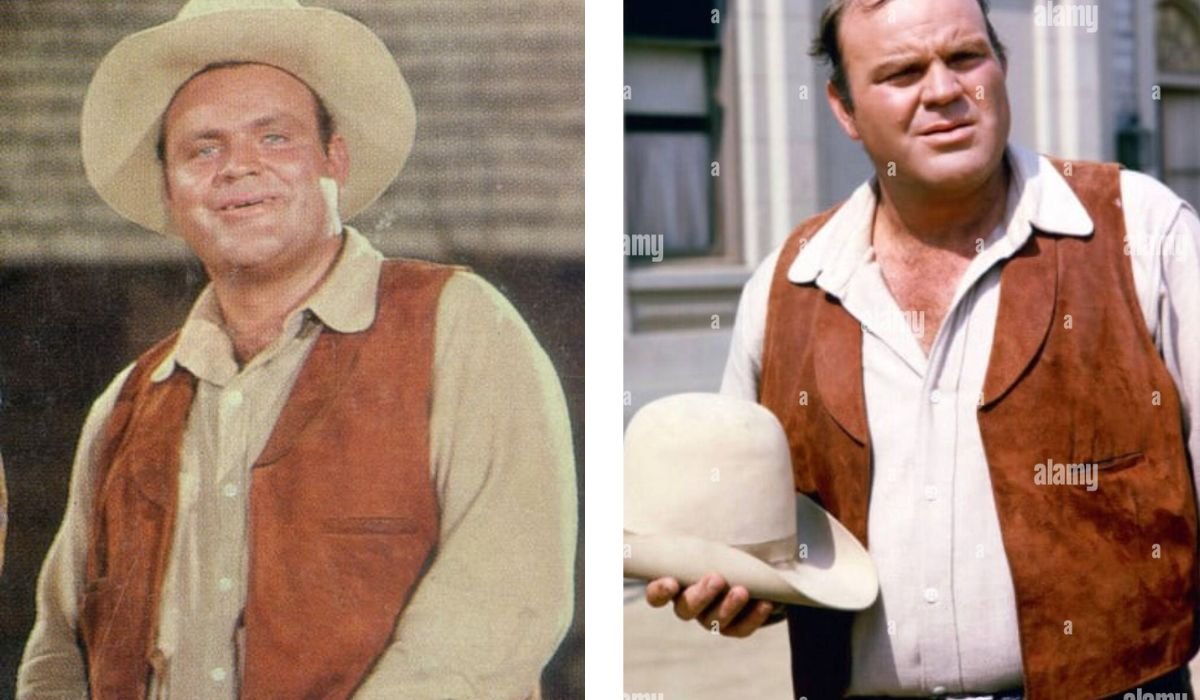
Hoss Cartwright remains one of television’s most memorable Western characters, remembered for his kind heart, impressive strength, humor, and deep loyalty to his family. As the middle Cartwright brother on the classic series Bonanza, he brought warmth and humanity to the dramatic world of the Ponderosa Ranch. Played by actor Dan Blocker, the character became a fan favorite because he combined physical power with remarkable compassion. His stories often explored family relationships, friendship, justice, and personal growth. Decades after the series ended, audiences continue to remember this gentle giant as an important part of classic American television history.
| Quick Bio | Details |
|---|---|
| Character Name | Hoss Cartwright |
| Television Series | Bonanza |
| Portrayed By | Dan Blocker |
| Character Type | Fictional Western Character |
| Family | Cartwright Family |
| Father | Ben Cartwright |
| Brothers | Adam Cartwright and Little Joe Cartwright |
| Home | The Ponderosa Ranch |
| Setting | Nevada Territory |
| Occupation | Rancher and Ponderosa Family Member |
| Personality | Kind, loyal, humorous, brave, compassionate |
| Known For | Strength, generosity, family loyalty |
| First Appearance | Bonanza |
| Character Status | Deceased within the series continuity |
| Cultural Impact | One of classic television’s most recognizable Western characters |
The Origins of a Classic Western Character
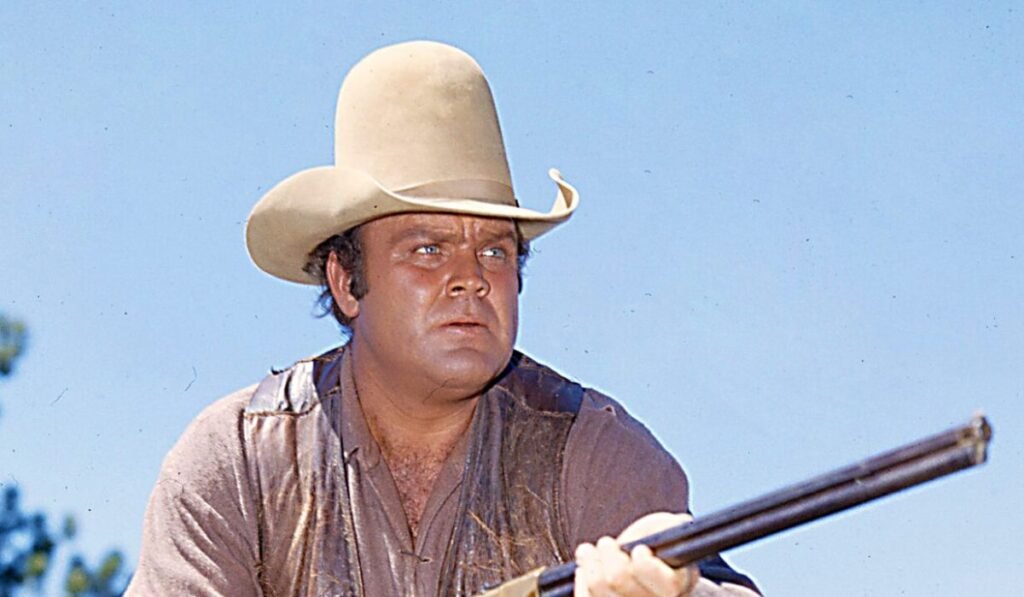
The story of Hoss Cartwright developed within the larger world of Bonanza, a television Western that became a major part of American popular culture. The series followed the Cartwright family and their life on the enormous Ponderosa Ranch. While each family member had a distinct personality, Hoss stood apart through his cheerful nature and emotional openness. His character represented the idea that physical strength could exist alongside gentleness. This contrast made him particularly appealing to viewers. Rather than relying only on toughness, his stories frequently showed that kindness, patience, and understanding could be powerful qualities in difficult situations.
Hoss Cartwright and the Ponderosa Ranch
The Ponderosa Ranch served as the central location for many adventures involving the Cartwright family. It was more than simply a home or workplace; it represented family unity, responsibility, and independence. Hoss was closely connected to the ranch lifestyle and understood the demands of managing such a large property. His physical abilities often made him valuable during challenging situations involving livestock, labor, travel, and conflict. However, his relationship with the ranch was also emotional. The Ponderosa symbolized the family legacy established by Ben Cartwright, and Hoss helped maintain that legacy through loyalty and hard work.
The Actor Behind the Character
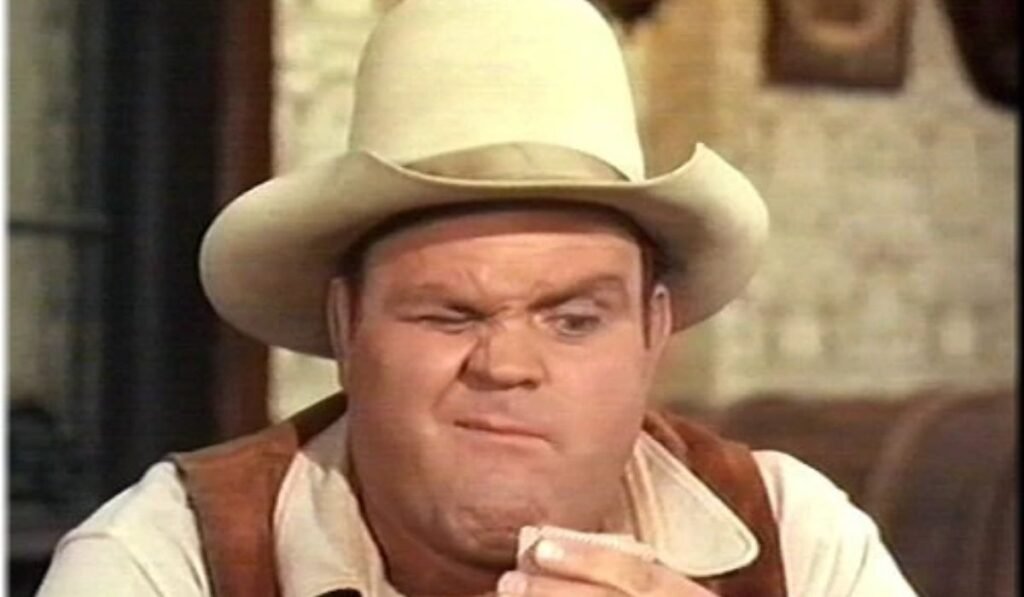
Dan Blocker brought the character to life with a performance that balanced comedy, drama, and sincerity. His natural screen presence helped make the middle Cartwright brother one of the most recognizable figures in television Western history. Blocker was physically imposing, but his acting avoided making the character seem intimidating. Instead, he emphasized warmth and vulnerability. This creative choice became central to the character’s popularity. Viewers could believe that Hoss was capable of extraordinary physical strength while also seeing him as someone who genuinely cared about other people. Blocker’s performance remains an important reason the character continues to attract audiences.
The Meaning Behind His Nickname
The name Hoss immediately suggested a large, strong individual, and the character certainly lived up to that image. Yet the nickname became meaningful because it contrasted with his personality. He could be physically powerful without being cruel or aggressive. In many stories, his strength was used to protect others rather than dominate them. This created an interesting balance that separated him from stereotypical Western heroes. His size became part of the humor and visual identity of the character, while his gentle nature gave him emotional depth. The result was a character who could be both a source of comedy and a serious dramatic presence.
A Loving Member of the Cartwright Family
Family relationships were at the heart of Bonanza, and the relationship between Hoss and his relatives was particularly important. He shared a close bond with his father, Ben, and maintained strong connections with his brothers. Although disagreements sometimes occurred, the family generally returned to the principle of loyalty. Hoss often acted as a bridge between different personalities. His patience allowed him to understand people who might otherwise clash. This role helped strengthen the family dynamic and gave the series an emotional center. His interactions demonstrated that family members can disagree while still supporting one another during difficult moments.
His Relationship With Ben Cartwright
Ben Cartwright served as the patriarch of the family and the leader of the Ponderosa. Hoss respected his father deeply, although he occasionally questioned decisions or expressed different opinions. Their relationship reflected a mixture of authority, affection, and mutual trust. Ben understood that his son was capable of making independent judgments, while Hoss valued his father’s wisdom. Their conversations often revealed the moral questions at the center of individual episodes. Through this relationship, viewers saw a family structure based not only on parental authority but also on communication, respect, and shared responsibility.
The Bond Between Hoss and Adam
Adam Cartwright was often portrayed as the intellectual and serious member of the family, creating an interesting contrast with his brother. Hoss was more emotionally expressive and frequently approached problems from a practical perspective. Despite these differences, the two brothers shared a strong connection. Adam’s thoughtful personality balanced Hoss’s straightforward approach, while Hoss brought warmth to situations that could otherwise become overly serious. Their relationship showed how different personalities can complement one another. They did not need to think alike to remain loyal brothers, and their contrasting approaches often made family stories more engaging.
Hoss and Little Joe
The relationship between Hoss and Little Joe was one of the most entertaining family dynamics in the series. Little Joe was younger, energetic, impulsive, and sometimes rebellious, while Hoss was generally more patient and easygoing. Their differences occasionally created humorous situations, but they also demonstrated genuine affection. Hoss frequently acted as a protective older brother, offering advice when necessary. At the same time, Little Joe’s adventurous personality could draw Hoss into unexpected situations. Their brotherly bond added humor and emotional warmth to the show while reinforcing the importance of family loyalty.
His Gentle Giant Personality
One of the defining qualities of Hoss Cartwright was the combination of enormous physical strength and a gentle personality. This contrast made him instantly recognizable. He was capable of handling difficult physical challenges, yet he generally preferred peaceful solutions. His compassion extended to strangers, animals, friends, and even people who had made serious mistakes. This made him different from the typical image of a tough Western hero. His stories often suggested that real strength comes from self-control. Instead of proving himself through violence, he frequently demonstrated courage by choosing understanding and kindness.
Humor as a Defining Quality
Comedy played an important role in the character’s appeal. His size, appetite, straightforward thinking, and occasional misunderstandings created many memorable humorous moments. However, the humor rarely made him seem foolish. Instead, it highlighted his innocence and good-natured personality. He could laugh at himself and often accepted jokes without becoming defensive. This quality made him approachable to viewers. The humor also provided balance in a series that regularly explored serious topics such as crime, prejudice, betrayal, loss, and injustice. His presence allowed audiences to experience lighter moments without losing the dramatic importance of the broader story.
Hoss Cartwright and His Moral Values
Hoss was guided by a strong sense of right and wrong. Although he was not perfect, he generally believed people deserved fairness and compassion. His moral decisions were often influenced by empathy rather than strict judgment. This allowed him to understand complicated situations and recognize that people sometimes make mistakes because of fear, desperation, or difficult circumstances. His approach reflected the broader moral themes of Bonanza. The series frequently presented characters facing challenging choices, and Hoss often represented the compassionate side of those debates. His values made him a relatable figure for audiences across generations.
His Approach to Conflict
Western television often relies on confrontations, but Hoss frequently approached conflict differently. His first instinct was not always to fight. He preferred discussion, negotiation, or helping people understand one another. Nevertheless, he was not afraid to act when someone was threatened. His physical strength meant that he could become a formidable opponent when necessary. This balance created a realistic sense of courage. He did not seek violence for its own sake, but he would defend his family and friends when circumstances demanded it. His approach reinforced the idea that bravery can involve both restraint and decisive action.
Hoss and Friendship
Friendship was another important part of his character development. He treated people with openness and often gave others the benefit of the doubt. This made him approachable to characters who might have struggled to communicate with more serious or suspicious individuals. His friendships frequently introduced stories involving loyalty, trust, betrayal, or forgiveness. Because he was naturally compassionate, he sometimes found himself helping people who did not initially deserve his trust. These experiences created meaningful lessons about human nature. His willingness to believe in others was one of his greatest strengths, although it could occasionally make him vulnerable.
Romance and Personal Relationships
Although family remained central to his identity, romantic relationships also appeared throughout his stories. His gentle personality and sincere nature made him an appealing romantic figure, even when relationships did not always work out. His romantic storylines often explored themes of loneliness, commitment, disappointment, and hope. Unlike some Western characters who were defined mainly by adventure, his personal experiences showed a desire for companionship and emotional connection. These stories helped audiences see another side of him. Beneath his cheerful exterior was someone who wanted to experience love and build meaningful relationships.
His Connection With Animals
Animals were naturally part of life on the Ponderosa Ranch, and his character often demonstrated affection toward them. His compassion was not limited to people. He understood the importance of treating animals responsibly and often showed patience when dealing with them. This quality reinforced his gentle personality. In a Western environment where horses and livestock were essential to daily life, his relationship with animals felt natural. These moments also contributed to the character’s warmth. They reminded viewers that his strength was not about controlling weaker creatures but about caring for those who depended on him.
The Importance of Loyalty
Loyalty was perhaps one of the strongest themes associated with his character. He remained devoted to his family even during disagreements and difficult circumstances. His loyalty also extended to close friends and people he believed were being treated unfairly. This commitment sometimes required personal sacrifice. He was willing to risk his own safety to protect someone else, reflecting the traditional Western idea of honor. Yet his loyalty was not blind. He could recognize when someone had made a mistake and encourage them to take responsibility. This combination of compassion and accountability gave his character emotional complexity.
Hoss as a Symbol of Kindness
Over time, the character became more than a member of a fictional Western family. He represented a particular kind of masculinity that was strong without being emotionally closed. He could express affection, admit mistakes, show vulnerability, and care deeply about others. This was significant because many traditional Western characters were presented as silent, emotionally distant, and focused on toughness. His personality offered a different model. He demonstrated that kindness does not weaken a person. Instead, compassion can exist alongside courage, confidence, and physical power. This message helped make him meaningful to audiences beyond the show’s original era.
Memorable Storylines and Episodes
Throughout Bonanza, Hoss appeared in numerous storylines that explored both personal and social issues. Some episodes focused on family problems, while others examined prejudice, injustice, friendship, or personal responsibility. His unique personality allowed writers to place him in situations ranging from light comedy to serious drama. Because he was naturally compassionate, emotionally challenging stories often had a strong impact on him. Viewers could see him struggle with difficult decisions and learn from experience. These episodes helped transform him from a supporting family member into a fully developed character with his own emotional journey.
The Tragic Loss of a Beloved Character
The departure of Hoss from the series was a major emotional moment for fans. The character’s absence changed the balance of the Cartwright family and affected the show’s emotional identity. His death within the story was handled with seriousness because he had become such an important member of the fictional family. Audiences had spent years watching his relationships, adventures, humor, and personal growth. Losing him therefore felt like losing a familiar presence. The storyline also reflected the unavoidable reality of life and death, making the character’s departure one of the most remembered developments associated with the series.
Dan Blocker’s Legacy
The legacy of Dan Blocker remains closely connected to the character he portrayed. His performance demonstrated how a large physical presence could be combined with emotional warmth and comedic timing. The actor’s work helped establish a character who remains recognizable decades after the original series. Fans continue to discuss his performances, memorable episodes, and contribution to classic television. Blocker’s portrayal also influenced how audiences remember Bonanza as a family Western rather than simply an action-oriented cowboy program. His work became an essential part of the show’s identity and helped secure its place in television history.
Why the Character Remains Popular
The continuing popularity of Hoss can be explained by the character’s emotional accessibility. He was funny without being cruel, strong without being aggressive, and loyal without being judgmental. These qualities remain appealing even as television styles change. Modern viewers can still understand his desire to protect family, help friends, and treat people fairly. His personality also provides a sense of comfort because he represents reliability in an unpredictable world. While many fictional characters are remembered for extraordinary achievements, he is remembered largely for being a good person. That simple quality has helped preserve his popularity.
The Character’s Place in Western Television
The Western genre has produced countless memorable characters, but Hoss occupies a distinctive position. He was not simply the strongest member of the family or comic relief. Instead, he represented the emotional heart of many stories. His presence demonstrated that Western narratives could explore kindness, family relationships, and personal morality alongside horseback riding and frontier adventure. The character helped broaden the expectations of the genre. His popularity also showed that audiences wanted more than action. They wanted characters who felt human, imperfect, and emotionally sincere.
The Family Legacy of Bonanza
The Cartwright family became one of the most recognizable families in television history. Each member brought a different personality to the Ponderosa, creating a balance that kept the series engaging. Hoss contributed humor and compassion, while his brothers offered contrasting perspectives. Ben provided leadership and stability. Together, they created a family structure that allowed the show to explore many different themes. The lasting popularity of Bonanza is partly connected to this balance. The series offered adventure, but its strongest emotional stories often came from the relationships between family members.
Cultural Influence and Nostalgia
Classic television continues to attract viewers who enjoy stories from earlier generations. Hoss represents an era when television Westerns were a major part of mainstream entertainment. His image is now connected with nostalgia for classic programming and traditional family storytelling. For older viewers, he may recall childhood memories of watching Bonanza. For younger audiences, the character offers an opportunity to discover a different style of television drama. His continued recognition demonstrates the lasting power of well-developed characters. Even after many decades, audiences can still connect with qualities such as kindness, humor, loyalty, and courage.
What Modern Audiences Can Learn
Modern viewers can find several valuable lessons in his story. One is that strength should be used responsibly. Another is that kindness can coexist with courage. His character also demonstrates the importance of family support and the value of giving people opportunities to change. He was not portrayed as flawless, but his mistakes often became opportunities for growth. These themes remain relevant because human relationships have not changed as much as technology or entertainment styles. People still value trust, loyalty, compassion, and friendship. That is why his character can continue to feel meaningful long after the original broadcasts.
The Enduring Appeal of Hoss Cartwright
The enduring appeal of Hoss Cartwright comes from a rare combination of qualities. He was physically powerful but emotionally gentle, humorous but sincere, and adventurous but deeply connected to his family. These contrasts gave him a personality that felt more complicated than a traditional Western stereotype. His stories allowed audiences to laugh, think, and sometimes feel emotional. The character’s popularity also benefited from Dan Blocker’s memorable performance, which brought authenticity and warmth to the role. Together, the character and actor created a television legacy that remains important to fans of classic Western entertainment.
Hoss Cartwright in Television History
When discussing iconic television Westerns, the character deserves recognition for helping define the genre’s family-centered storytelling. Bonanza became internationally recognized, and its characters became familiar faces to generations of viewers. His contribution was especially important because he showed that a Western hero did not have to be emotionally distant. His kindness became part of his strength. This approach helped make the series accessible to a broad audience, including viewers who might not normally be interested in traditional cowboy stories. His place in television history is therefore based on both popularity and memorable character development.
Final Thoughts on a Classic Television Favorite
Hoss Cartwright remains a beloved figure because his character represents qualities that never become outdated. His kindness, humor, loyalty, and courage continue to resonate with audiences who discover Bonanza today. Through Dan Blocker’s performance, the character became much more than a fictional rancher. He became a symbol of the gentle giant archetype and an example of how television can create emotionally lasting personalities. His relationship with the Cartwright family, his adventures at the Ponderosa, and his personal struggles all contributed to a legacy that continues to inspire nostalgia. For fans of classic Western television, his story remains unforgettable.
Frequently Asked Questions
1. Who was Hoss Cartwright?
- Hoss Cartwright was a fictional character and a central member of the Cartwright family in the classic television Western Bonanza.
2. Who played Hoss Cartwright?
- The character was portrayed by American actor Dan Blocker, whose performance helped make the role one of television’s most recognizable Western characters.
3. What was Hoss Cartwright known for?
- He was best known for his impressive physical strength, gentle personality, humor, compassion, loyalty, and devotion to his family.
4. Where did Hoss Cartwright live?
- He lived with his father and brothers on the fictional Ponderosa Ranch, the main setting of Bonanza.
5. Why is Hoss Cartwright still remembered today?
- His combination of strength and kindness, along with Dan Blocker’s memorable performance, helped create a character who remains popular among fans of classic television.
For readers who want additional background about the television series, characters, and historical information surrounding Bonanza, the Bonanza Wikipedia article is a useful related resource. It provides further information about the series, its cast, production history, and cultural impact. Exploring reliable reference material can help readers better understand why the show became such an important part of classic television and why characters such as Hoss continue to be remembered by audiences around the world.
