

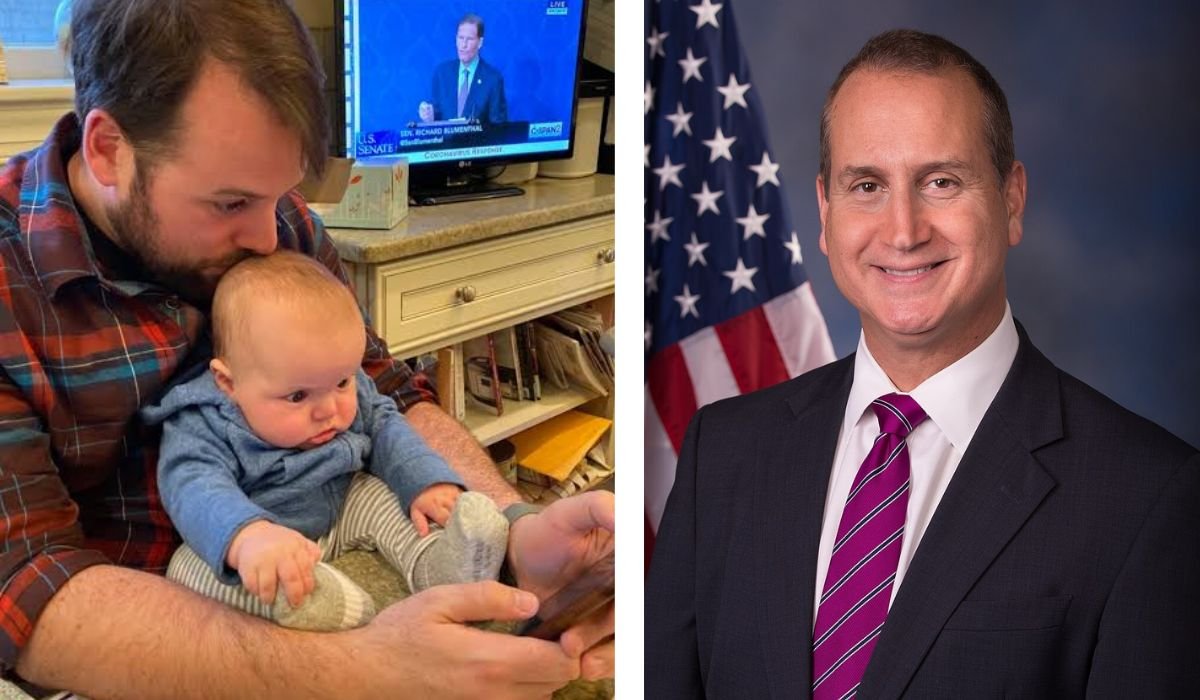
Matthew Mario Rivera is an American media professional known for his work in digital production, journalism, and video storytelling. He has attracted public attention not only because of his professional background but also because of his marriage to journalist Kasie Hunt. Unlike many television personalities, he has largely built his career behind the camera, helping develop and distribute news content for digital audiences. His professional journey reflects how modern journalism has changed from traditional broadcasting toward multimedia storytelling. From early production work to his association with NBC News and Meet the Press, his career demonstrates the importance of creativity, technology, and strong editorial skills in today’s media industry.
| Quick Bio | Details |
|---|---|
| Full Name | Matthew Mario Rivera |
| Also Known As | Matt Rivera |
| Profession | Media Producer, Journalist, Digital Content Professional |
| Nationality | American |
| Education | New York University |
| Field of Study | Journalism |
| Known For | Digital media and news production |
| Notable Association | NBC News and Meet the Press |
| Spouse | Kasie Hunt |
| Marriage | 2017 |
| Children | Public sources identify children in the family |
| Career Focus | Video production, journalism, digital storytelling |
| Earlier Work | Production and multimedia journalism |
| Public Profile | Relatively private and mostly known through professional work |
Who Is Matthew Mario Rivera?
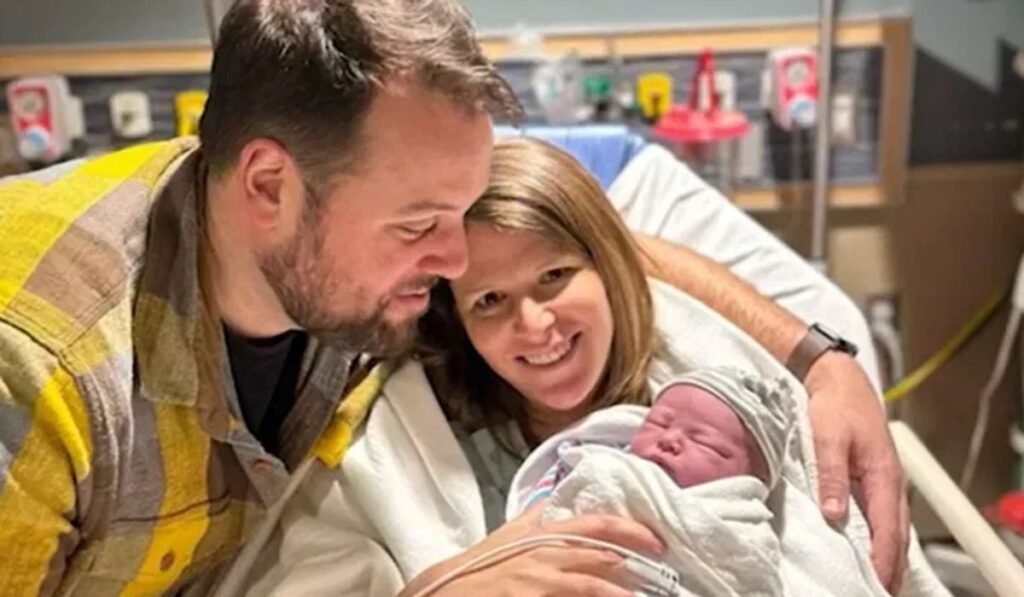
Matthew Mario Rivera is a media producer and journalist whose professional identity has developed largely behind the scenes. He is frequently searched online because of his connection to Kasie Hunt, a prominent American political journalist, but his own career deserves attention as well. His work has included digital content production, video journalism, and editorial projects. He represents a generation of media professionals who understand that modern news is no longer limited to newspapers or television broadcasts. Instead, stories now reach audiences through websites, podcasts, social platforms, streaming services, and other digital channels. His career has followed that broader transformation in journalism.
Early Life and Background
Public information about Rivera’s early life is relatively limited compared with the amount of information available about his professional career. Several biographical websites have published different details about his birth year and family background, meaning readers should approach specific personal claims carefully. What is consistently reported is that he developed an interest in journalism and media production and later pursued formal education in the field. His background eventually led him toward video storytelling and digital journalism. Rather than becoming famous solely through television appearances, he developed professional experience through production, reporting, and editorial work.
Education and Interest in Journalism
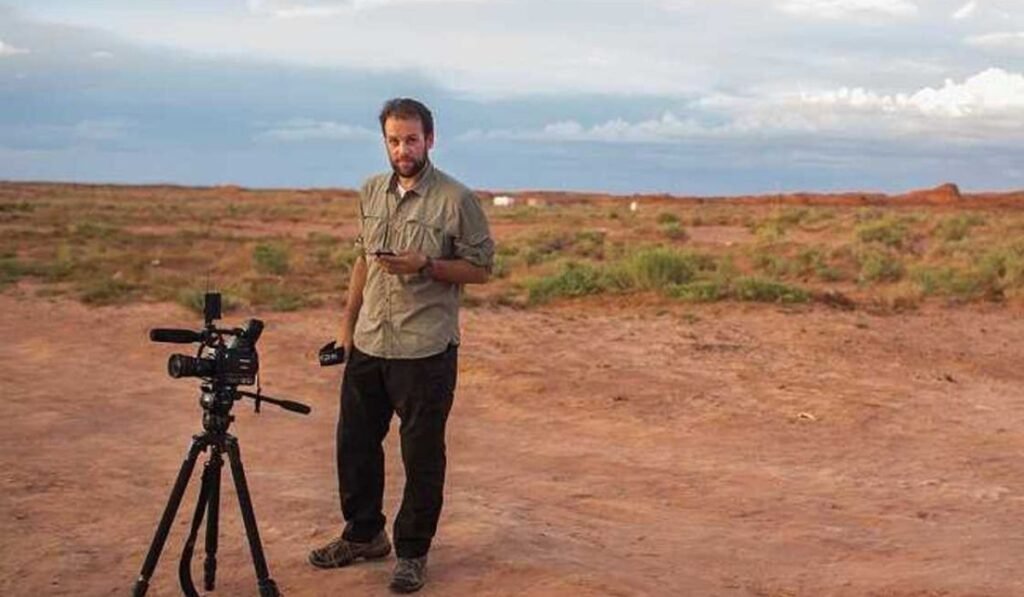
Education played an important role in his development as a media professional. Public biographies commonly state that he attended New York University and studied journalism. His academic background provided a foundation in communication, reporting, and storytelling. Journalism education can be especially valuable for someone working in digital media because successful production requires more than technical skills. Producers must understand accuracy, context, audience expectations, and ethical responsibility. His career path suggests that he combined traditional journalistic principles with the creative and technological demands of modern video production. This combination eventually helped him work across different areas of the media industry.
The Beginning of His Media Career
Like many professionals in journalism, his career developed through different positions rather than one immediate breakthrough. Early media experience allowed him to understand how stories are researched, produced, edited, and presented. Video journalism became an important part of this journey. Working with moving images requires a different approach from traditional written reporting because producers must consider visuals, pacing, sound, editing, and audience attention. These experiences likely helped him build the practical skills needed for larger media organizations. His early career can therefore be viewed as a foundation for the digital production work that followed.
Experience in Video Production
Video production has been a central element of his professional identity. A successful video producer often works between creative and editorial teams, making sure that a story is both engaging and informative. This can involve planning, filming, editing, coordinating contributors, and preparing material for publication. The rise of online video has made these skills increasingly valuable. Audiences now consume news in short clips, longer interviews, documentaries, podcasts, and social media videos. His background in multimedia production placed him in an industry that was rapidly changing as traditional journalism moved toward digital platforms.
Moose Productions and Independent Work
Some biographical sources associate Rivera with Moose Productions, a production company involved in creating documentaries, corporate videos, and other media projects. This type of independent work can provide valuable experience because it requires professionals to handle multiple aspects of production. Instead of focusing on only one role, a producer may become involved in developing concepts, organizing shoots, managing budgets, and delivering finished projects. Such experiences can build versatility and independence. They also help explain how a media professional can later transition into a large newsroom where digital content must be created quickly and distributed to a broad audience.
Work With The Wall Street Journal
His professional background has also been linked with The Wall Street Journal, where sources describe him as working in video journalism and multimedia production. This type of role reflects the growing importance of video within major newspapers. Traditional publications increasingly use video to complement written reporting, giving audiences additional ways to understand complex subjects. Working in such an environment can expose a producer to business news, political developments, economic stories, and other major topics. It also requires the ability to translate detailed information into compelling visual narratives that are suitable for online audiences.
Transition Into Digital Journalism
The growth of digital journalism created new opportunities for media professionals with both reporting and production skills. Websites began publishing more video content, while audiences increasingly expected news to be available immediately on computers and mobile devices. Rivera’s career developed during this important transition. His experience with video production and journalism gave him a useful combination of skills for the changing media environment. Digital journalism requires speed, creativity, technical knowledge, and editorial judgment. It is not simply traditional journalism placed online; it involves understanding how audiences interact with content across different platforms.
Joining NBC News
A major stage in his career came with his work at NBC News. Sources commonly place his arrival at the organization around 2010, although specific job titles and responsibilities have varied across published biographies. His association with NBC News helped establish him as a professional working in large-scale digital media production. In a major newsroom, producers are responsible for coordinating content that may reach millions of people. This environment requires careful attention to deadlines, accuracy, editorial standards, and changing audience habits. His experience in this setting became an important part of his professional reputation.
His Role Behind the Scenes
One of the most interesting aspects of his career is that much of his work happens away from the television camera. Viewers often recognize anchors and correspondents, but producers are equally important in creating successful news programming. They help develop ideas, organize content, manage production processes, and adapt stories for different platforms. Behind-the-scenes professionals are like the engine of a television program: audiences may not see the engine, but the entire vehicle depends on it. His career illustrates how important production teams are to modern journalism and broadcasting.
Connection With Meet the Press
His name has been connected with Meet the Press, one of America’s longest-running public affairs programs. The program has a significant place in political journalism and has featured interviews with influential public figures for decades. Digital production has become an important part of extending such a program beyond traditional television. Online videos, podcasts, social media content, and other digital formats allow audiences to engage with interviews and discussions in different ways. Rivera’s reported involvement in digital production reflects the evolution of established television programs into broader multimedia brands.
Expanding News for Digital Audiences
Modern news organizations must think beyond television schedules. People now watch interviews on phones, listen to political discussions through podcasts, and discover stories through social media. Digital producers help organizations respond to these changing habits. His professional experience has been associated with developing and distributing content for audiences across multiple platforms. This work requires understanding what makes a story effective in each format. A long interview may work well as a podcast, while a short video clip may perform better on social media. The challenge is adapting content without losing its journalistic value.
Multimedia Storytelling Skills
Multimedia storytelling combines journalism with technology and creative production. A producer needs to understand how words, images, sound, graphics, and video can work together. The goal is not simply to make content attractive but to help audiences understand information clearly. His career is often described through this combination of skills. Experience across video journalism and digital production can help professionals recognize how different formats affect audience engagement. As the media landscape continues to evolve, these skills remain valuable because news consumers increasingly expect information to be immediate, accessible, and visually engaging.
Work in Political Media
His professional association with political news production is another notable part of his career. Political journalism often involves complex topics, fast-moving developments, and high public interest. Producing content in this environment requires accuracy and the ability to work under pressure. Digital teams must also respond quickly when major political events occur. The work can include preparing videos, managing online content, and supporting broader editorial projects. Although audiences may primarily recognize reporters and anchors, producers contribute significantly to how political information is packaged and delivered to viewers.
Teaching and Academic Connections
Some published biographies have also described him as having teaching or lecturing experience connected with journalism and video production. These reports associate him with New York University and other educational settings. Teaching can be a natural extension of professional experience because media practitioners often have practical knowledge that students can learn from. Journalism students benefit from understanding how real-world production works, including deadlines, storytelling, technology, and editorial decisions. However, because public sources differ in how they describe these academic roles, specific claims about teaching positions should be treated cautiously unless confirmed by an institutional source.
Relationship With Kasie Hunt
Rivera is widely known to the public because of his marriage to Kasie Hunt. Hunt is an established journalist who has worked in American political news and broadcasting. Their relationship has attracted interest partly because they share professional connections within the media industry. Public reports state that the couple met while working at NBC News and eventually developed a relationship. Their story is an example of two people building careers in the demanding world of journalism while also creating a family life together.
Engagement and Wedding
Public biographies report that the couple became engaged in August 2016 and married on May 6, 2017. Their wedding reportedly took place at Shenandoah Woods in Virginia. The ceremony was described as a private and personal event involving family and friends. Unlike celebrity weddings that attract extensive media coverage, their marriage has generally remained relatively private. This approach reflects a broader pattern in his public life: professional achievements are visible, while personal details are shared more selectively.
Family Life
Family has become an important part of his public story, although he and Hunt generally maintain a degree of privacy. Public reports have discussed their children, but details about family life can vary among online sources. For this reason, it is best to focus on information that has been publicly confirmed rather than repeating every claim found on celebrity biography websites. His family life is often discussed alongside his career because both he and his wife work in demanding media environments. Balancing professional responsibilities with parenting is an experience shared by many working families.
Life as a Media Family
Having two partners working in journalism can create a unique household dynamic. News careers often involve irregular schedules, breaking events, travel, and demanding deadlines. When both people work in the industry, they may have a shared understanding of these pressures. At the same time, maintaining family routines requires planning and cooperation. Their public story offers an example of how professional ambition and family responsibilities can exist together. While outsiders may focus on their careers, the reality of maintaining a family often depends on ordinary decisions made away from cameras and public attention.
Why People Search for His Biography
Online interest in his biography comes from several factors. First, his marriage to a recognizable journalist naturally attracts attention. Second, his own work in digital media connects him to major news organizations and respected journalism brands. Third, his relatively private personality creates curiosity because there are fewer personal interviews and public appearances available. People often become interested in individuals who work behind the scenes because their contributions may be important without being immediately visible. His story therefore sits at the intersection of journalism, media production, and public curiosity.
Public Image and Privacy
Unlike many public figures, he does not appear to actively seek constant attention. His professional career gives him a connection to major media organizations, but his public image remains relatively low-key. This can be especially noticeable in an era when social media has made personal branding common. Maintaining privacy can allow individuals to separate their professional responsibilities from their personal lives. His approach demonstrates that someone can have a successful career in media without becoming a full-time public personality. For many readers, that balance makes his biography particularly interesting.
Professional Strengths
The qualities associated with his career include adaptability, production knowledge, storytelling ability, and an understanding of digital audiences. Media professionals must continually learn because technology changes quickly. A producer who succeeds in one format may need to develop new skills when audience behavior shifts. His career reflects this broader need for flexibility. From video journalism to digital production, the media industry rewards professionals who can adjust to new platforms. His experience illustrates how a strong foundation in storytelling can remain useful even as the tools used to deliver stories continue to change.
The Importance of Digital Producers
Digital producers have become essential to modern news organizations. Their responsibilities can involve everything from developing online videos to coordinating multimedia projects. They help ensure that news reaches audiences in the formats they prefer. In many cases, they also analyze audience behavior and think about how content can be improved. This work is increasingly important because people consume news throughout the day rather than waiting for a scheduled broadcast. His professional background represents this changing role and highlights the growing influence of digital production in journalism.
Contribution to Modern Journalism
The modern newsroom is very different from the newsroom of previous generations. A single story may appear simultaneously on television, a website, a podcast, YouTube, and social platforms. Professionals with multimedia experience can help connect these different formats. His career is associated with this transformation from traditional broadcasting toward integrated digital storytelling. The significance of such work is easy to overlook because audiences typically see the final product rather than the production process. Yet every successful piece of digital journalism depends on people who understand both editorial content and technology.
Career Lessons From His Journey
There are several lessons that can be drawn from his professional journey. One is the value of developing multiple skills. Journalism, video production, editing, and digital strategy can complement one another. Another lesson is the importance of adapting to technological change. The media industry has changed dramatically since the early days of online video, and professionals must continue learning. Finally, his career shows that success does not always require constant public visibility. Many influential media professionals build their reputations through consistent work behind the scenes.
Why His Career Matters
His professional story matters because it represents a broader shift in how journalism is created and consumed. The public often remembers the people who appear on television, but modern news organizations depend on large teams of producers, editors, reporters, designers, and technical specialists. Digital producers help connect journalism with changing audience habits. Their work can determine how effectively a story reaches people. His career provides a useful example of this behind-the-scenes profession and demonstrates how media production has become an important part of contemporary journalism.
Matthew Mario Rivera and the Future of Media
The future of journalism will likely continue moving toward digital-first storytelling. Artificial intelligence, streaming platforms, mobile video, podcasts, and social networks are changing how people discover information. Professionals with experience in multimedia production are positioned to adapt to these developments. The fundamental principles of journalism, however, remain important. Accuracy, context, fairness, and clear communication are still essential. The tools may change, but the purpose of telling meaningful stories remains. His career provides an example of how media professionals can evolve alongside technology while maintaining a focus on communication and storytelling.
Interesting Facts About His Professional Journey
One interesting aspect of his career is the combination of journalism and production. Many people enter media by choosing either reporting or technical production, but multimedia professionals often work across both areas. Another interesting point is his association with major journalism brands while maintaining a relatively private personal profile. His experience also reflects the growing importance of online video and digital distribution. These elements make his professional story more than a simple biography of a television personality. It is also a story about how the media industry itself has changed.
Frequently Asked Questions
1. Who is Matthew Mario Rivera?
- He is an American media producer and journalist associated with digital content and multimedia production, and he is widely known publicly as the husband of journalist Kasie Hunt.
2. What is Matthew Mario Rivera known for?
- He is known for his work in digital media production, video journalism, and his professional association with NBC News and Meet the Press.
3. Who is his wife?
- His wife is journalist Kasie Hunt, and public biographies report that the couple married in 2017.
4. Where did he study?
- Multiple biographical sources report that he studied journalism at New York University, although some details in online biographies differ.
5. Does he work in journalism?
- Yes. His professional background includes digital production, video journalism, and multimedia work connected with major news organizations.
Final Thoughts on Matthew Mario Rivera
The story of Matthew Mario Rivera is ultimately about more than being married to a well-known journalist. His professional path highlights the importance of producers, digital strategists, and multimedia storytellers in today’s news industry. His work demonstrates how journalism has expanded beyond traditional newspapers and television into a world of online video, podcasts, social media, and digital platforms. Although some details about his personal biography remain inconsistent across online sources, his connection to media production and his public relationship with Kasie Hunt are well documented. Readers interested in exploring broader biographical information can also consult the Wikipedia search for Matthew Mario Rivera and related topics for related background and references.
