

Shawn Turner is an American communications professional whose career has connected military service, national security, government communication, academia, and public media. Over the years, he has held important communication roles in the U.S. government and intelligence community while also becoming known for his work as a national security analyst and educator. His professional journey demonstrates how communication can influence public understanding of complicated issues. From serving in the U.S. Marine Corps to working in senior federal positions and later leading public media, his career has developed across several fields that demand discipline, strategic thinking, and clarity.
Quick Bio
| Category | Details |
|---|---|
| Full Name | Shawn Turner |
| Profession | Strategic Communication Expert, Professor, Media Executive, National Security Analyst |
| Known For | Government communication, national security, public media, strategic communication |
| Current Leadership Role | General Manager of WKAR Public Media |
| Academic Role | Professor of Strategic Communication at Michigan State University |
| Media Role | National Security Communication Analyst for CNN |
| Military Background | Retired U.S. Marine Corps Officer |
| Military Service | 21 years |
| Education | B.A. in Communication Studies; M.A. in Communication |
| Undergraduate Institution | Texas State University |
| Graduate Institution | George Mason University |
| Former Government Role | Deputy White House Press Secretary for National Security |
| Former Intelligence Role | Director of Communication for U.S. National Intelligence |
| Former NSC Role | Deputy Press Secretary for Foreign Affairs |
| Main Expertise | National Security Communication, Crisis Communication, Disinformation, Strategic Messaging |
Who Is Shawn Turner?
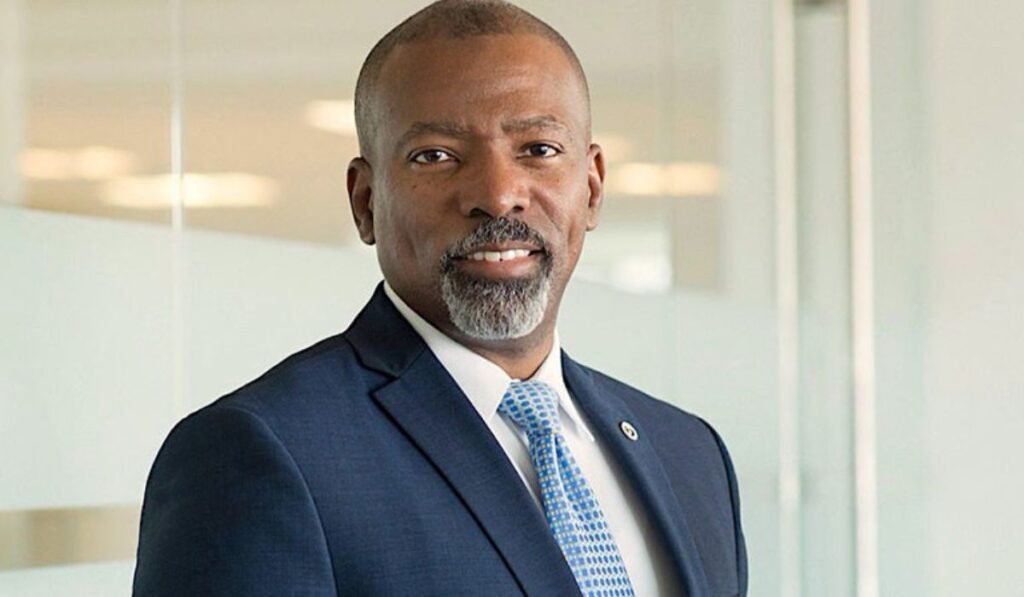
Shawn Turner is a communications leader whose professional experience spans government, military service, intelligence, higher education, and journalism. He has worked in senior communication positions where the ability to explain sensitive national security matters was essential. His career also includes leadership in public media and teaching strategic communication at Michigan State University. These different roles have given him experience on both sides of public communication: developing messages within institutions and helping audiences understand major issues through media and education. His background makes him a notable figure in discussions involving communication strategy, national security, misinformation, and public trust.
Early Professional Journey
Details about Turner’s private childhood and early family life are not widely documented by authoritative sources. However, his professional history shows a long-term commitment to communication and public service. His career path was not built around entertainment or celebrity recognition. Instead, it developed through military service, government responsibilities, education, and communication leadership. This makes his story especially interesting because it illustrates how specialized skills can open doors across different sectors. Communication became the common thread connecting his experiences, allowing him to move from military and government environments into academia, media analysis, and public broadcasting.
Education and Academic Foundation
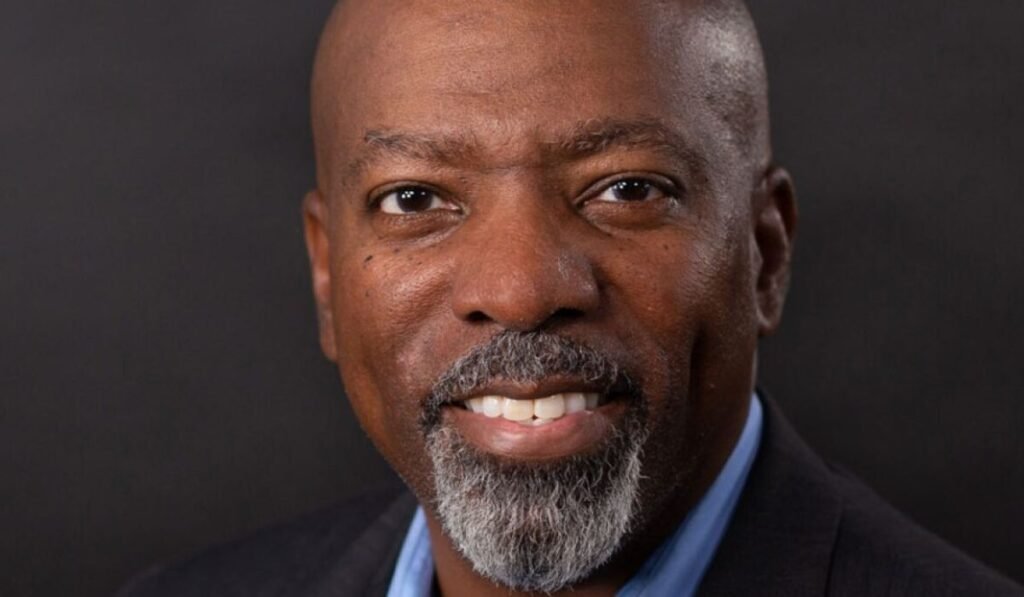
Turner earned a bachelor’s degree in Communication Studies from Texas State University and later completed a master’s degree in Communication from George Mason University. His academic background provided a strong foundation for a career focused on public messaging, strategic communication, and leadership. His education also connects directly with his later work as a professor and communication practitioner. Texas State University identifies him as a 2002 graduate, while university information notes that he completed his master’s degree in 2005. His academic preparation helped support a career in which communication was not simply a supporting skill but a central professional discipline.
Military Service and Marine Corps Career
Before becoming widely recognized for his government and media work, Turner spent 21 years serving in the United States Marine Corps. His military background is an important part of his professional identity because it introduced him to leadership, discipline, organizational responsibility, and high-pressure decision-making. Military experience can provide valuable preparation for communication professionals who later work in national security. In Turner’s case, his service became part of a broader career that combined operational experience with communication expertise. His transition from military service to senior civilian positions demonstrates how leadership skills can be transferred between public institutions.
Transition From Military Service to Government
After his military career, Turner moved into civilian government and senior communication positions. This transition allowed him to apply his communication knowledge to complex national issues. Government communication requires more than delivering information; it involves understanding audiences, coordinating messages, responding to fast-changing events, and maintaining credibility. Turner’s later roles suggest that his experience in structured environments helped him navigate these demands. His government career eventually placed him in positions connected to the National Security Council, the intelligence community, and the White House, giving him exposure to some of the most sensitive communication challenges in public service.
Role at the National Security Council
One of Turner’s notable government positions was Deputy Press Secretary for Foreign Affairs at the National Security Council. In this role, he was involved in communicating U.S. foreign policy issues and served as a principal spokesperson concerning Afghanistan and Pakistan. Such responsibilities require careful coordination because international affairs can involve diplomatic sensitivities, military considerations, and public expectations. The role also demonstrated his ability to communicate complicated policy matters to journalists and wider audiences. His work at the National Security Council became an important step in his progression toward senior national security communication leadership.
Director of Communication for National Intelligence
Turner later served as Director of Communication for U.S. National Intelligence at the Office of the Director of National Intelligence. According to institutional biographies, he was responsible for coordinating internal and external communication across the U.S. intelligence community. The position required an understanding of how different agencies communicate while maintaining consistency and clarity. Intelligence communication is particularly challenging because information can be sensitive, classified, or difficult for the general public to understand. Turner’s role placed him at the center of communication strategy involving one of the most complex areas of government.
White House Communication Responsibilities
Another significant stage of his career came when he served as Deputy White House Press Secretary for National Security. This position placed him in a highly visible communication environment where national security matters could attract intense media attention. A White House press role requires the ability to respond quickly while ensuring that public statements accurately reflect official policy. Turner’s experience in intelligence and foreign affairs provided relevant preparation for this responsibility. His government career therefore reflects a progression through increasingly senior communication roles, combining policy knowledge with the practical demands of public messaging.
Communication During the Snowden Era
Turner’s work at the Office of the Director of National Intelligence also coincided with major public debates surrounding intelligence and classified information. George Washington University notes that he was the lead government official responsible for engaging news organizations following the 2013 disclosure of thousands of classified intelligence documents by former NSA contractor Edward Snowden. This period presented an extraordinary communication challenge. Government officials had to address public concerns, media questions, national security considerations, and international attention. The experience highlighted the importance of clear communication during moments when public trust and institutional credibility are under significant pressure.
National Security Communication Expertise
National security communication is one of Turner’s defining professional areas. It involves translating highly technical or sensitive information into messages that different audiences can understand. Government leaders, journalists, policymakers, military personnel, and ordinary citizens may all interpret the same issue differently. Effective communication helps bridge those differences. Turner’s experience across government and media has allowed him to examine these challenges from multiple perspectives. His career shows that national security is not only about policies and operations; it is also about how those policies and operations are explained to the public.
Experience With Crisis Communication
Crisis communication is another major theme in Turner’s professional work. During a crisis, organizations often have limited time to gather facts and communicate with audiences. Poor messaging can create confusion, while inconsistent statements can weaken public confidence. Turner’s background in government and national security placed him in environments where communication had to be timely and carefully considered. His academic interests also include communication strategy and crisis management. These experiences demonstrate why crisis communication has become an important part of his broader professional expertise.
Work at the Center for a New American Security
After his government service, Turner continued his career outside federal institutions. He served as Director of Communication at the Center for a New American Security, a Washington-based organization focused on national security policy. The position allowed him to continue working at the intersection of research, public affairs, and strategic communication. His role demonstrated that communication expertise can be valuable not only inside government but also within nonprofit organizations and policy institutions. This phase of his career helped strengthen his connection with national security research and public policy discussions.
Academic Career at Michigan State University
Turner became a professor of strategic communication at Michigan State University, where his teaching and research interests include communication leadership, strategy, misinformation, disinformation, and information weaponization. His academic role reflects a shift from simply practicing communication to also educating future professionals. Students studying strategic communication can benefit from his experience in government and national security environments. His work also examines how communication influences decision-making and civic engagement, making his research relevant to modern challenges involving digital information and public trust.
Research on Misinformation and Disinformation
Modern communication is increasingly shaped by misinformation and disinformation. Turner’s academic interests include examining how false narratives and information manipulation can influence decision-making and civic engagement. These subjects have become especially important as people receive news through social media, digital platforms, television, podcasts, and online publications. Understanding how information spreads can help institutions and individuals recognize misleading narratives. Turner’s work in this area connects his government experience with contemporary communication research. It also demonstrates how his professional interests have evolved alongside the changing information environment.
Role as a CNN National Security Analyst
Turner has also worked as a national security communication analyst for CNN. In this capacity, he contributes professional insight to discussions involving defense, intelligence, foreign policy, and communication strategy. Media analysis allows him to explain complicated events to a broad audience. Unlike a government spokesperson, a media analyst can provide context and interpretation for viewers trying to understand current events. His combination of government experience and communication knowledge makes this role a natural extension of his career. Michigan State University notes that he has been an on-air analyst with CNN since 2018.
Leadership at WKAR Public Media
Turner became General Manager of WKAR Public Media at Michigan State University in December 2022 after serving as interim director. WKAR serves audiences in Michigan through public television and radio programming. His leadership role represents another important stage in his career because it combines communication strategy with organizational management and public service. Public media organizations have a mission that goes beyond entertainment. They provide news, educational programming, cultural content, and community information. Turner’s background in communication and public affairs provides relevant experience for leading such an organization.
Leadership in Public Broadcasting
Public broadcasting requires leaders who understand both media operations and audience trust. Turner’s professional history gives him experience in each of these areas. His work at WKAR places him in a position where communication strategy can influence how a public media organization serves its community. He has also been involved with national media leadership through board service. These responsibilities demonstrate that his career has expanded from individual communication roles to broader organizational leadership. His journey reflects the changing nature of modern communication, where public institutions must respond to both traditional media and rapidly evolving digital platforms.
Service on the NPR Board
Turner has served as a member of the board of directors of NPR. This responsibility connects his work in local public media with the national public broadcasting system. Board service involves organizational oversight and long-term thinking about the future of public media. It also reflects recognition of his experience in communication and broadcasting leadership. His involvement with NPR illustrates how his career has progressed beyond government communication into broader media governance. Public media organizations operate in a complex environment where credibility, accessibility, journalism, and community service are all important considerations.
Role as a Strategic Communication Leader
Strategic communication is more than simply speaking well. It involves identifying audiences, understanding objectives, selecting appropriate channels, and developing messages that support a broader mission. Turner’s career provides examples of these principles in practice. Whether working in government, intelligence, education, or public media, he has operated in environments where communication must be connected to organizational goals. His professional experience demonstrates why communication leadership is increasingly important for institutions that must navigate uncertainty, public scrutiny, and rapidly changing information channels.
Publications and Professional Writing
Turner has contributed to professional discussions about communication and national security through articles and scholarly work. His published work has included contributions to USA Today and CNN.com, as well as book chapters addressing risk communication for national defense. Writing allows professionals to explore issues in greater depth than a television interview or press briefing typically allows. His publications demonstrate an interest in explaining communication challenges beyond immediate news cycles. They also complement his teaching and media work by providing another way to share ideas about strategic messaging and public understanding.
Risk Communication and National Defense
Risk communication is particularly important in national defense because the public often needs accurate information during uncertain or threatening situations. Turner is associated with work on best practices in risk communication for national defense. The subject involves balancing transparency with security while helping audiences understand potential risks. Effective risk communication can reduce confusion and support informed decision-making. Turner’s interest in this field reflects the broader theme of his career: finding ways to communicate complicated information responsibly. His experience demonstrates how communication can become a strategic tool rather than simply an administrative function.
Professional Recognition and Awards
Turner’s career has received recognition from professional and government organizations. George Washington University reports that the National Journal named him one of Washington, D.C.’s top decision-makers in 2013. He also received an Intelligence Community Leadership Award in 2015 and a Meritorious Presidential Rank Award in 2016 for career accomplishments and service. These recognitions highlight the impact of his work across government and national security communication. While awards do not define an entire career, they provide evidence that his professional contributions have been acknowledged by respected institutions.
Advisory and Board Experience
Beyond his primary professional roles, Turner has participated in advisory and board activities connected to national security, ethics, veterans, and public media. His affiliations have included advisory work involving the National Security Agency and the Center for Ethics and the Rule of Law at the University of Pennsylvania Law School. More recently, institutional biographies have also identified board roles connected with organizations such as NPR, the Michigan Veterans Facility Authority, and the German Marshall Fund. These positions demonstrate the breadth of his professional network and interests.
Service as a Senior Advisor at Veterans Affairs
In 2021, Turner took a temporary leave from Michigan State University to serve as Senior Advisor for Strategic Engagement to the Secretary of Veterans Affairs. The position gave him an opportunity to return to federal service in an advisory capacity. His responsibilities involved strategic engagement and communication-related issues. The role was particularly relevant given his military background and experience working within government. It also showed how his expertise continued to be valuable in public administration after his earlier federal career.
Connection Between Military and Communication
One of the most interesting aspects of Turner’s professional journey is the connection between his military background and communication career. Military service emphasizes discipline, teamwork, leadership, and responsibility. Communication roles require many of the same qualities, particularly when dealing with sensitive or high-pressure situations. His career suggests that these skills can complement each other. Rather than treating military service and communication as separate experiences, Turner’s professional path shows how one can strengthen the other. This combination has remained relevant throughout his work in government, academia, media, and public broadcasting.
Approach to Public Trust
Public trust is a central issue in modern communication. Institutions must provide information that audiences consider accurate, understandable, and credible. Turner’s career has repeatedly placed him in roles where trust matters, from intelligence communication to public media. His professional experience illustrates that credibility is built over time through consistency and responsible messaging. In an era when misinformation can spread rapidly, the ability to communicate clearly has become even more valuable. His work in strategic communication and public broadcasting therefore reflects a broader effort to strengthen informed public discussion.
Why His Career Is Notable
Turner’s career is notable because it crosses several professional worlds that are often treated separately. He has served in the military, worked in senior government communication, contributed to intelligence-related messaging, taught strategic communication, appeared as a media analyst, and led public broadcasting. Each role has involved communication, but the audiences and responsibilities have been different. This range gives his professional story a distinctive quality. It shows how communication skills can remain useful across a lifetime while adapting to new challenges and institutional environments.
Influence on Future Communication Professionals
As a professor, Turner has an opportunity to influence students preparing for careers in communication, government, media, and public affairs. His professional experience provides students with examples of how communication theory works in real-world situations. His teaching interests also address contemporary issues such as misinformation and persuasive communication. For students, this combination of academic knowledge and practical experience can provide a valuable perspective. Communication professionals increasingly need to understand not only how to create messages but also how information affects behavior, trust, and decision-making.
Public Media and Community Service
Turner’s leadership at WKAR highlights the community role of public media. Local public broadcasting can provide educational programs, news, cultural content, and public affairs coverage to audiences that may not always receive the same resources from commercial media. Leading such an organization requires an understanding of audience needs and institutional responsibilities. Turner’s career in strategic communication provides a strong foundation for this work. His role illustrates how communication leadership can contribute to public service even outside traditional government structures.
Understanding His Professional Legacy
The professional legacy of Turner can be understood through three connected themes: service, communication, and leadership. His military service established a foundation of discipline and responsibility. His government career placed him in challenging communication environments involving national security and foreign affairs. His academic and media work expanded his influence by allowing him to teach, analyze, and discuss complex issues. Finally, his public media leadership demonstrates an ongoing commitment to communication as a public service. Together, these experiences create a career that extends well beyond any single job title.
Shawn Turner and Modern Information Challenges
The modern information environment is changing quickly. Audiences now encounter information through television, websites, social media, podcasts, and artificial intelligence-powered platforms. This creates new opportunities but also new risks. False narratives can spread quickly, while legitimate information can struggle to gain attention. Turner’s focus on strategic communication, misinformation, and information weaponization is therefore particularly relevant. His professional background provides a perspective shaped by both traditional institutions and modern media. Understanding these challenges is essential for anyone interested in journalism, government communication, public relations, or national security.
Lessons From His Career
There are several lessons that can be drawn from Turner’s professional journey. First, communication skills can support careers across many industries. Second, experience in one field can become valuable in another when combined with education and adaptability. Third, leadership is often built through a series of responsibilities rather than one defining position. His career also demonstrates the importance of continuous learning. From military service to academia and media leadership, each stage added another dimension to his professional profile.
Personal Life and Privacy
Compared with his professional activities, relatively little verified information is publicly available about Turner’s private life. Most authoritative biographies focus on his education, military background, government career, academic work, and professional leadership. This limited public information is important because it prevents speculation from being presented as fact. A responsible biography should distinguish between documented professional information and unverified claims about someone’s personal circumstances. For that reason, this article focuses primarily on the career and public contributions that can be supported by institutional sources.
Net Worth and Financial Information
There is no reliable, authoritative public figure available for Turner’s personal net worth. Online estimates may appear in search results, but they should not be treated as confirmed unless supported by credible financial disclosures or authoritative reporting. His professional career includes government service, academia, media analysis, and public media leadership, but salary information does not automatically reveal personal wealth. Therefore, readers should be cautious about websites that publish precise net worth figures without evidence. A fact-based biography is better served by focusing on documented career achievements rather than speculation.
Current Professional Focus
Turner’s current professional identity combines public media leadership, strategic communication education, and national security analysis. His role at WKAR connects him with public broadcasting, while his Michigan State University position keeps him involved in higher education. His media work provides another platform for discussing national security and communication. These roles demonstrate that his career continues to operate across multiple fields. Rather than following a single professional path, he has built a portfolio career centered on communication, leadership, public service, and information.
The Importance of Strategic Communication
Strategic communication has become essential for organizations facing complicated public environments. Whether the issue involves national security, public policy, misinformation, or community services, audiences expect clear and timely information. Turner’s career demonstrates how communication professionals can help organizations respond to these expectations. His work also shows that communication is not limited to public relations. It can influence policy understanding, institutional credibility, crisis response, and public engagement. In this sense, strategic communication serves as a bridge between institutions and the people they are trying to reach.
Final Thoughts on His Career
Shawn Turner’s professional journey offers a broad example of how military service, government experience, communication expertise, education, and media leadership can come together. From serving 21 years in the U.S. Marine Corps to holding senior communication positions in the federal government, his career has consistently involved responsibility and public service. His later work in academia, national security analysis, and public media has expanded that influence. For anyone researching his biography, the most important point is that his story is fundamentally about communication and leadership across institutions.
FAQs
1. Who is Shawn Turner?
- Shawn Turner is a strategic communication professional, retired Marine Corps officer, professor, public media executive, and national security analyst.
2. What is Shawn Turner known for?
- He is known for senior U.S. government communication roles, national security analysis, strategic communication education, and leadership at WKAR Public Media.
3. Where did Shawn Turner study?
- He earned a bachelor’s degree in Communication Studies from Texas State University and a master’s degree in Communication from George Mason University.
4. Did Shawn Turner serve in the U.S. military?
- Yes. He served for 21 years as an officer in the United States Marine Corps.
5. What is Shawn Turner’s role at WKAR?
- He serves as General Manager of WKAR Public Media at Michigan State University and has also held a professor of strategic communication position there.
For additional background, readers can explore the related biography and career information available through Wikipedia, while noting that the most reliable details about this particular Shawn Turner are available through university and institutional biographies.
